Our Story
The Shared Wealth Story
From social enterprise to a global movement for collaborative, inclusive business — this is how it all began.
 1994
1994From Social Enterprise to Shared Wealth
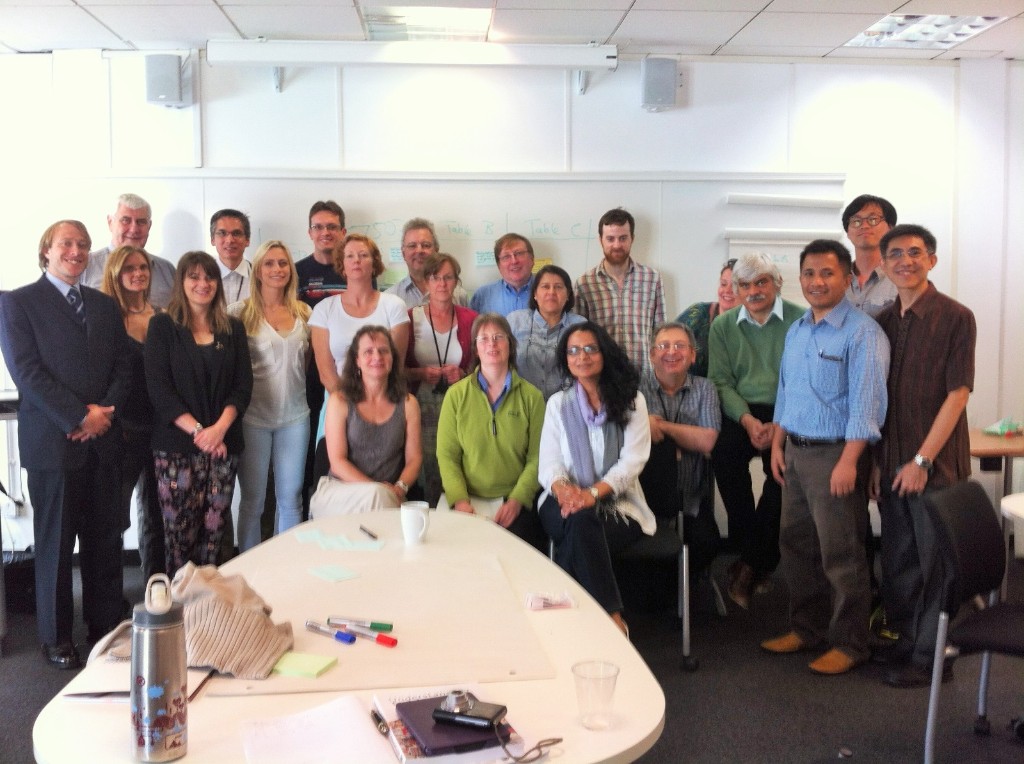
Shared Wealth International grew out of Social Enterprise International (SEi), managed by Cliff Southcombe, one of the pioneers of the social enterprise movement.
Back in 1994, Cliff co-founded the Social Enterprise Partnership with Freer Spreckley. That initiative evolved into Social Enterprise Europe and later SEi — helping to shape and spread the idea of social enterprise as a “new way of doing business.”
While the concept made a global impact, over time it became stuck in the “not-for-profit” sector, limiting its potential.
 2014–2017
The Spark: International Summer Schools
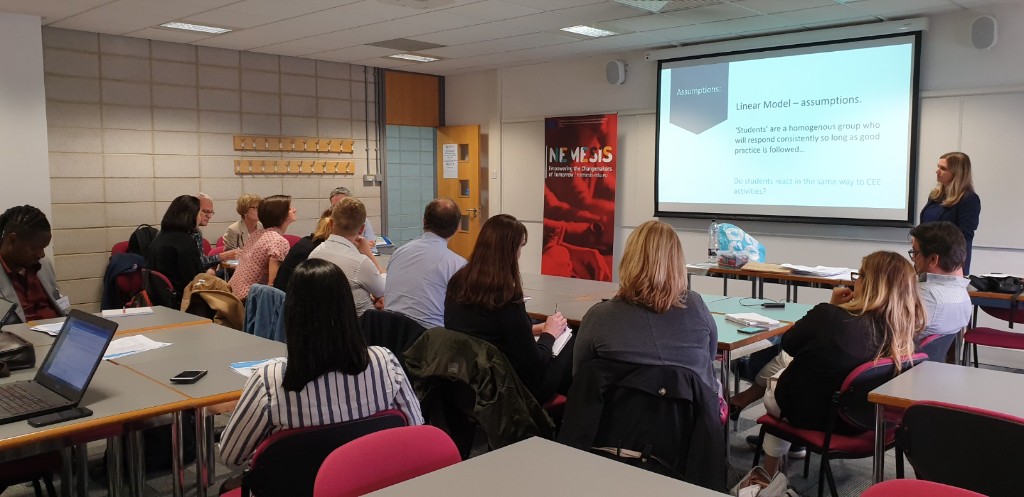
Between 2014 and 2017, SEi ran a series of International Summer Schools with Professor Rory Ridley-Duff. These gatherings brought together practitioners, academics, and entrepreneurs to tackle one of the world's most pressing issues: the growing inequality of wealth.
Inspired by economists like Thomas Piketty, the schools explored how business itself often drives inequality — and how business could instead be part of the solution.
Out of these debates emerged the idea of FairShares: a business model that shares wealth fairly between all those who create it — workers, customers, communities, and investors.
 2017–2020
Lessons from Practice
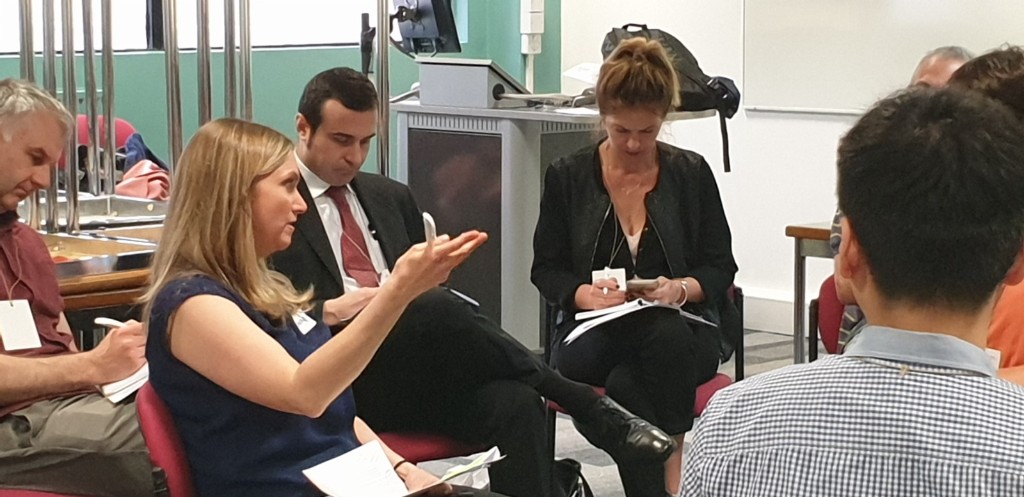
FairShares attracted attention. CEOs like James Perry of LocoSoco highlighted that it built loyal customers, motivated employees, incentivised investors, and strengthened social brands. Universities across the world also began to research and teach it.
But in practice, FairShares proved too rigid. As Howard Weinstein of Solar Ear pointed out, wealth can be shared in many different ways — not just through equity. Solar Ear, for example, shared its intellectual property to empower others.
At the same time, SEi's work on inclusive decision-making showed how modern organisations — with multiple communication channels, teamwork cultures, and agile structures — needed decision-making that was both efficient and fair. Strictly tying ownership to control was no longer enough.
The Foundation
The Three Pillars of Shared Wealth
These insights led to the creation of a new model built on three interconnected pillars.
Values
Organisations define and live by clear values that reflect both business sense and a commitment to society and the environment.
Inclusive Decision-Making
Decisions are made transparently and fairly, with input from all relevant stakeholders.
Sharing Wealth
Businesses choose appropriate ways to share the wealth they create — whether through shares, profit-sharing, intellectual property, or other innovative mechanisms.
The Impact
Why It Matters
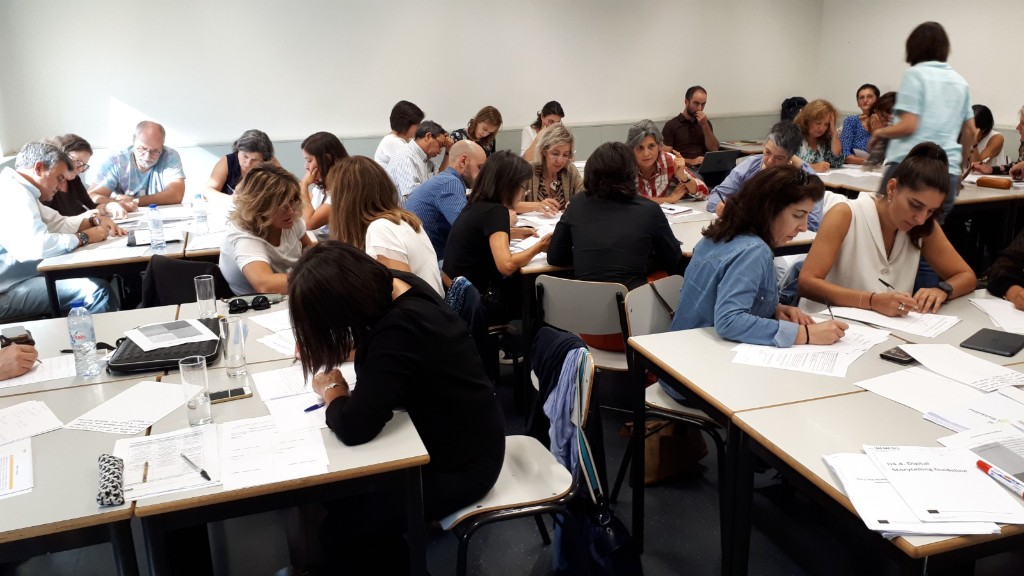
Shared Wealth isn't just good for society — it makes business sense. Organisations that share wealth and make decisions inclusively build stronger brands, attract loyal customers, and motivate their people.
Many businesses already operate close to this model without naming it — Shared Wealth provides a clear framework that recognises, connects, and strengthens them.
The Network
Why the Network
What we discovered is that companies open to sharing wealth are also open to sharing resources and ideas with like-minded people. The emphasis shifts from competition to collaboration and replication, creating stronger collective impact.
With SEi contacts already active in more than 40 countries, a global network was straightforward to establish. And with the Social Licence Agreement — a tool SEi has used for two decades to connect organisations through shared values and common objectives — we had the perfect foundation to build this new international network.
Be Part of the Story
Join a global movement of businesses committed to sharing wealth, making inclusive decisions, and building a better economy.